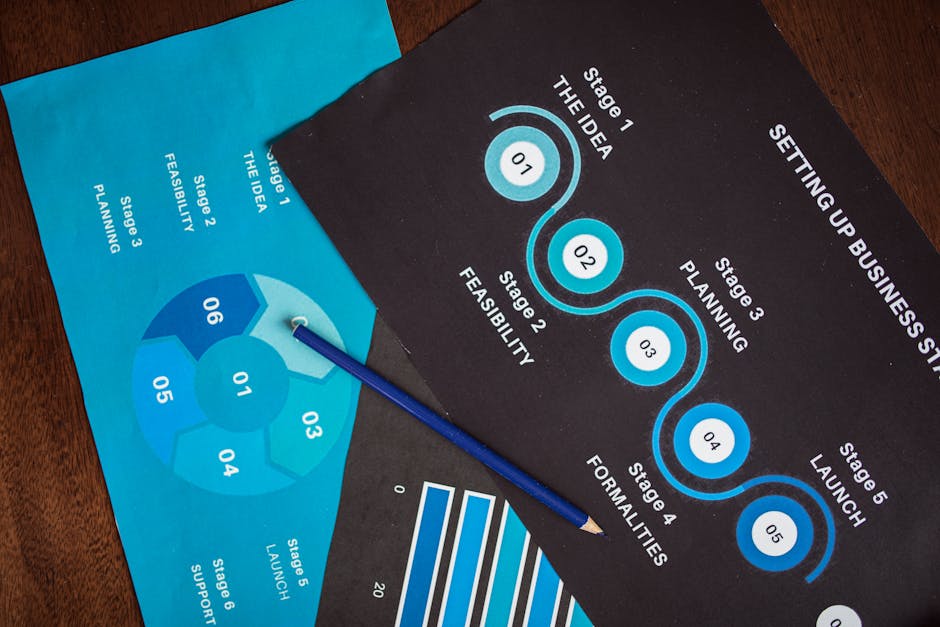
SaaS Product Launch Marketing: UK Founder's Step-by-Step Guide
Launching a SaaS product in the UK market requires more than just building great software. You need a systematic marketing approach that validates demand, creates buzz, and converts early adopters into paying customers. This comprehensive playbook walks you through every stage of a successful SaaS launch, from pre-launch validation to scaling your customer acquisition.
What Makes a Successful SaaS Launch in the UK Market?
The UK SaaS market generated £15.2 billion in revenue in 2025, making it Europe's second-largest SaaS ecosystem after Germany. However, 67% of UK SaaS startups fail within their first two years, primarily due to poor market fit and inadequate launch strategies.
A successful UK SaaS launch combines three critical elements: market validation, strategic timing, and systematic customer acquisition. Unlike consumer products, B2B SaaS launches require longer sales cycles, deeper customer education, and stronger trust signals—especially in the conservative UK business environment.
UK buyers typically research SaaS solutions for 3-6 months before purchasing, involving multiple stakeholders in the decision process. This means your launch strategy must account for extended nurturing periods and provide content for different buyer personas throughout their journey.
The most successful UK SaaS launches follow a phased approach: validation phase (3-6 months), beta launch (2-3 months), public launch (1 month), and growth phase (ongoing). Each phase has specific objectives, metrics, and marketing activities that build momentum toward your public launch.
How to Validate Your SaaS Idea Before Launch
Market validation is your first critical checkpoint. 42% of startups fail because they build products nobody wants—a problem that's entirely preventable with proper validation techniques.

Primary Market Research Methods
Start with direct customer interviews. Reach out to 50-100 potential customers in your target market and conduct 30-minute problem discovery calls. Focus on understanding their current pain points, existing solutions, and willingness to pay for improvements. Use open-ended questions like "Walk me through your current process for [specific task]" and "What's the biggest frustration you face with [current solution]?"
Survey your target audience using tools like Typeform or SurveyMonkey. Distribute surveys through LinkedIn, industry forums, and relevant Facebook groups. Aim for 200+ responses to get statistically significant insights about market demand, pricing sensitivity, and feature priorities.
Create a landing page describing your solution and measure conversion rates. Build a simple page with your value proposition, key benefits, and an email signup form. Drive traffic through targeted LinkedIn ads or Google Ads. A conversion rate above 15% indicates strong market interest, while below 5% suggests weak demand or poor messaging.
Competitive Analysis Framework
Map your competitive landscape using a feature comparison matrix. List all direct and indirect competitors, their pricing models, key features, and market positioning. Use tools like SimilarWeb to analyze competitor traffic and Ahrefs to study their SEO strategies.
Analyze competitor reviews on platforms like G2, Capterra, and Trustpilot. Look for recurring complaints and feature requests—these represent opportunities for differentiation. Create a spreadsheet tracking common pain points mentioned across multiple competitors; these become your potential competitive advantages.
Study competitor pricing strategies and identify pricing gaps. UK businesses often prefer transparent, tiered pricing with clear feature distinctions. If competitors use complex custom pricing, consider offering transparent pricing as a differentiator.
Building Your Pre-Launch Marketing Foundation
Your pre-launch phase should begin 3-6 months before your public launch. This period focuses on building awareness, establishing thought leadership, and creating a qualified prospect pipeline.
Content Marketing Strategy
Start publishing educational content that addresses your target audience's challenges. Create a content calendar covering industry trends, best practices, and problem-solving guides. Publish 2-3 high-quality articles per week on your blog, LinkedIn, and relevant industry publications.
Develop pillar content around your core expertise areas. For example, if you're building project management software, create comprehensive guides on "Remote Team Management," "Agile Implementation," and "Productivity Optimization." Each pillar should include 10-15 supporting articles that dive deep into specific subtopics.
Guest post on industry publications and podcasts. Identify 20-30 relevant blogs, newsletters, and podcasts in your space. Pitch unique angles that provide value to their audience while subtly positioning your expertise. Focus on educational content rather than product promotion.
Building Your Email List
Create valuable lead magnets that attract your ideal customers. Develop resources like industry reports, templates, checklists, or mini-courses that solve specific problems. Gate this content behind email signups to build your launch list.
Set up email nurturing sequences using tools like Mailchimp or ConvertKit. Create a 7-part welcome series that educates subscribers about industry best practices while introducing your upcoming solution. Send weekly newsletters sharing insights, case studies, and behind-the-scenes updates about your product development.
Target building an email list of 1,000-2,000 qualified prospects before launch. This provides a foundation for generating initial customers and social proof during your launch week.
Pricing Strategy for UK SaaS Products
Pricing determines not just revenue, but also market positioning and customer perception. UK businesses often prefer value-based pricing with clear ROI justification, especially for B2B purchases.

Research-Based Pricing Methods
Use the Van Westendorp Price Sensitivity Meter to determine optimal pricing ranges. Survey potential customers with four key questions: "At what price would this product be so expensive you wouldn't consider it?" "At what price would you consider this product expensive but still consider purchasing?" "At what price would you consider this product a bargain?" "At what price would this product be so cheap you'd question its quality?"
Analyze competitor pricing tiers and identify positioning opportunities. Look for gaps between pricing levels—if competitors offer plans at £29 and £99, consider positioning at £59 with differentiated features. UK SaaS companies typically use 3-4 pricing tiers: Starter (£15-30), Professional (£50-80), Business (£100-150), and Enterprise (custom).
Calculate your unit economics to ensure sustainable pricing. Your Customer Acquisition Cost (CAC) should be recovered within 12 months, and your Lifetime Value (LTV) should be at least 3x your CAC. UK SaaS companies average 18% monthly churn rates, so factor this into your LTV calculations.
Pricing Psychology for UK Markets
UK businesses respond well to transparent, predictable pricing. Avoid hidden fees, complex usage calculations, or surprise charges. Clearly communicate what's included in each tier and any potential additional costs.
Offer annual discounts of 15-20% to improve cash flow and reduce churn. Many UK businesses prefer annual contracts for budget planning purposes, especially larger organizations with formal procurement processes.
Consider freemium models carefully. While freemium can drive adoption, only 2-5% of freemium users typically convert to paid plans. Free trials (14-30 days) often work better for B2B SaaS, allowing prospects to experience full value before committing.
Creating Your Launch Timeline and Milestones
A structured launch timeline ensures coordinated execution across all marketing channels while building momentum toward your public launch date.
12 Weeks Before Launch: Foundation Phase
Finalize your product positioning and messaging framework. Create clear value propositions for each target segment, focusing on specific business outcomes rather than features. Develop messaging hierarchies that address different stakeholder concerns—technical benefits for IT teams, ROI metrics for executives, and usability advantages for end users.
Build your marketing website with optimized landing pages. Include dedicated pages for each pricing tier, use cases, and buyer personas. Implement tracking pixels for retargeting campaigns and set up analytics to monitor visitor behavior patterns.
Begin content production at scale. Create your launch content calendar including blog posts, social media content, email sequences, and sales materials. Aim to have 80% of your launch content created before the 4-week mark to allow time for refinement and optimization.
8 Weeks Before Launch: Beta Phase
Launch your private beta with 20-50 carefully selected prospects. Focus on customers who match your ideal customer profile and are willing to provide detailed feedback. Offer beta participants significant discounts (30-50%) on annual plans in exchange for testimonials and case studies.
Collect and analyze beta feedback systematically. Create feedback loops through weekly surveys, monthly video calls, and usage analytics. Track feature adoption, user workflows, and satisfaction scores to identify areas for improvement before public launch.
Develop case studies and social proof assets. Work with beta customers to create detailed success stories showing measurable business impact. Include specific metrics like time savings, cost reductions, or revenue increases wherever possible.
4 Weeks Before Launch: Pre-Launch Campaign
Launch your waiting list campaign with early bird incentives. Offer limited-time discounts (20-30% off first year) or exclusive features to early adopters. Use countdown timers and scarcity messaging to create urgency around your launch date.
Begin outreach to industry influencers, bloggers, and journalists. Create a media kit including high-resolution product screenshots, founder photos, company background, and key statistics. Pitch exclusive early access or interviews to top-tier publications in your industry.
Set up your customer support infrastructure. Create help documentation, video tutorials, and FAQ pages. Train your support team on common questions and establish response time targets. UK customers expect professional, responsive support—poor support experiences can damage your reputation quickly.
Launch Week Execution Strategy
Your launch week should feel like a coordinated campaign across all channels, creating maximum visibility and momentum for your new product.

Day-by-Day Launch Sequence
Monday: Soft Launch - Announce to your email list and close contacts first. This allows you to identify and fix any technical issues before broader exposure. Monitor website performance, payment processing, and user onboarding flows closely.
Tuesday: Social Media Blast - Post across LinkedIn, Twitter, and relevant Facebook groups. Share behind-the-scenes content, founder stories, and customer testimonials. Encourage team members and advisors to share and comment on your posts to increase organic reach.
Wednesday: Industry Publications - Publish guest articles and press releases on industry websites. Focus on educational content that positions your solution as addressing major industry challenges. Include quotes from beta customers and relevant industry statistics.
Thursday: Partner and Influencer Outreach - Activate partnerships and influencer relationships. Ask partners to share launch announcements with their audiences. Provide pre-written social media posts and email templates to make sharing easy.
Friday: Product Hunt and Community Platforms - Launch on Product Hunt, Hacker News, and relevant Reddit communities. Prepare your community beforehand and coordinate upvoting and commenting activities. Focus on platforms where your target audience is most active.
Measuring Launch Success
Track both vanity metrics and business metrics during launch week. Vanity metrics like social media impressions and website visits indicate reach and awareness. Business metrics like trial signups, demo requests, and paying customers measure actual commercial impact.
Set specific targets for each metric: website traffic (target 10x normal levels), trial signups (target 100+ new trials), and paying customers (target 20+ customers in first week). Monitor conversion rates at each stage of your funnel to identify optimization opportunities.
Use tools like Google Analytics, Mixpanel, or Amplitude to track user behavior and identify drop-off points in your onboarding process. Real-time monitoring allows you to fix issues immediately during your critical launch period.
Post-Launch Growth and Optimization
Your launch is just the beginning. The weeks and months following launch determine whether your initial momentum translates into sustainable growth.
Customer Feedback Integration
Systematically collect and analyze customer feedback from multiple sources. Set up in-app feedback widgets, post-trial surveys, and regular customer interviews. Track feature requests and prioritize development based on customer impact and implementation effort.
Create a public roadmap showing planned features and improvements. UK customers appreciate transparency about product development and want to see their feedback being acted upon. Tools like ProductBoard or Trello can help manage and communicate your development priorities.
Implement rapid iteration cycles based on user behavior data. Analyze where users get stuck in your onboarding process and optimize those specific steps. Small improvements in conversion rates compound significantly over time—a 5% improvement in trial-to-paid conversion can double your growth rate.
Scaling Your Marketing Channels
Double down on marketing channels that performed best during launch. If content marketing drove high-quality leads, increase your publishing frequency and expand into new content formats like webinars or podcasts. If paid advertising worked well, gradually increase budgets while maintaining target CAC ratios.
Experiment with new acquisition channels systematically. Test one new channel per quarter, giving each channel at least 3 months to show results. Potential channels include partnership marketing, affiliate programs, conference speaking, or community building.
Implement referral programs to leverage satisfied customers for growth. UK businesses often make decisions based on peer recommendations, making referral programs particularly effective. Offer meaningful incentives like account credits or feature upgrades for successful referrals.
Common Launch Mistakes to Avoid
Learning from other founders' mistakes can save you significant time and resources during your launch process.
Technical and Operational Pitfalls
Don't launch without proper load testing. 38% of SaaS launches experience technical issues that damage credibility and lose potential customers. Test your infrastructure with 10x expected traffic levels and have scaling plans ready.
Avoid launching with incomplete onboarding flows. UK customers expect professional, guided experiences that help them achieve value quickly. A confusing onboarding process can lose customers even if your core product is excellent.
Don't underestimate customer support requirements during launch. Plan for 5-10x normal support volume during launch week. Have additional team members trained on common questions and clear escalation procedures for complex issues.
Marketing and Positioning Errors
Avoid trying to target everyone at once. Focus on one specific customer segment and nail that use case before expanding. Broad positioning dilutes your message and makes it harder to stand out in competitive markets.
Don't launch without social proof. UK businesses are risk-averse and want evidence that others have succeeded with your solution. Gather testimonials, case studies, and customer logos before your public launch.
Resist the temptation to compete solely on price. Price wars erode margins and attract price-sensitive customers who churn quickly. Focus on value differentiation and specific use case optimization instead.
Your SaaS launch success depends on systematic preparation, clear positioning, and flawless execution across multiple marketing channels. Start your planning 6 months before launch, validate everything with real customers, and be prepared to iterate quickly based on market feedback.
Key takeaways
- Validate your SaaS idea with 50-100 customer interviews and 200+ survey responses before building
- Build an email list of 1,000-2,000 qualified prospects 3-6 months before launch
- Price transparently with 3-4 tiers and offer 15-20% annual discounts for UK market preferences
- Execute a coordinated 5-day launch sequence across email, social media, press, and community platforms
- Track both vanity metrics (traffic, impressions) and business metrics (trials, customers) during launch
- Implement rapid iteration cycles based on user feedback and behavior data post-launch
- Focus on one specific customer segment initially before expanding to broader markets
Frequently asked questions
How long should I plan for my SaaS product launch?
Plan 6 months total: 3-6 months for validation and pre-launch marketing, 2-3 months for beta testing, and 1 month for public launch execution.
What's the ideal email list size before launching?
Aim for 1,000-2,000 qualified prospects on your email list. This provides sufficient foundation for initial customers and social proof during launch week.
Should I use freemium or free trial for UK SaaS launches?
Free trials (14-30 days) typically work better for UK B2B SaaS than freemium, as UK businesses prefer experiencing full value before committing to purchases.
How many beta customers should I recruit?
Start with 20-50 carefully selected beta customers who match your ideal customer profile and are willing to provide detailed feedback and testimonials.
What pricing strategy works best for UK SaaS products?
Use transparent, tiered pricing with 3-4 levels. UK businesses prefer predictable costs with clear feature distinctions and annual discount options of 15-20%.
Which marketing channels should I prioritize during launch?
Focus on email marketing, LinkedIn, industry publications, and Product Hunt. UK businesses respond well to educational content and peer recommendations.
How do I measure launch success?
Track website traffic (target 10x increase), trial signups (100+ new trials), and paying customers (20+ in first week). Monitor conversion rates at each funnel stage.
What's the biggest mistake to avoid during SaaS launch?
Don't try to target everyone at once. Focus on one specific customer segment and nail that use case before expanding to broader markets.